
France’s Ban on Forever Chemicals: What It Means and Why It Matters
On 1 January 2026, France officially implemented its nationwide ban on “forever chemicals” (PFAS), marking a major milestone in the global effort to reduce exposure to toxic, persistent pollutants. The ban targets cosmetics, clothing, and other consumer products made with PFAS, substances known for their extreme durability and widespread environmental contamination.
What Are PFAS and Why Are They Harmful?
Per- and polyfluoroalkyl substances (PFAS) are a family of over 10,000 synthetic compounds prized for their resistance to heat, oil, and water. Since the 1940s, PFAS have been used in everyday products like non-stick cookware, waterproof jackets, stain-resistant fabrics, and firefighting foams.
But their durability is also their danger. PFAS don’t break down naturally, meaning they accumulate in soil, water, wildlife, and human bodies over decades. Studies have linked chronic PFAS exposure to cancer, hormone disruption, fertility problems, and immune system damage. In Europe alone, an estimated 12.5 million people have PFAS-contaminated drinking water.
What Does the French PFAS Ban Include?
The new French regulation prohibits the manufacture, import, or sale of products containing PFAS if safer alternatives exist. From January 2026, this effectively affects:
- Cosmetics and personal care products
- Clothing and outdoor gear
- Items such as ski wax
Authorities are also required to monitor PFAS levels in drinking water and take stronger action against industrial polluters discharging these chemicals into the environment.
However, some exemptions remain, particularly for materials deemed essential for health, national security, or industrial performance. This includes high-performance membranes used in filtration systems and certain technical textiles.
Industry and Environmental Reactions
While the law has been widely praised for protecting public health, environmental groups argue that its impact was diluted after industry players successfully lobbied to exclude non-stick cookware from the final version of the bill.
Chemical safety organisations such as CHEM Trust
have welcomed the move as an important step forward but are urging France to push for an EU-wide restriction to ensure consistency and avoid loopholes across member states.
A Step Toward a PFAS-Free Europe
France’s action places additional pressure on the European Union, which has been exploring a continent-wide phase-out plan for PFAS since 2023. With growing public awareness and regulatory momentum, this French ban could become a blueprint for future EU policies, shaping how manufacturers, policymakers, and water treatment companies respond to one of the most pressing chemical pollution challenges of our time.
For the latest on PFAS and water regulation, follow PFAS Pulse for trusted analysis and updates.

Puraffinity is pleased to announced a distribution agreement with Giotto Water S.r.l., part of Giotto Group, to expand access to Puraffinity’s PFAS treatment solutions for municipal and industrial customers across Italy. The distribution agreement strengthens Puraffinity’s ability to support Italian customers responding to new PFAS requirements under the EU Drinking Water Directive, which entered into application on 12 January 2026. The partnership expands access to Puraffinity’s advanced adsorption media solutions in Italy and combines high-performance PFAS removal media with readily deployable systems to support efficient implementation and operations. “Regulatory expectations for PFAS in water, including drinking water, are now tightening across Europe, and Italy is no exception,” said Vincent Caillaud, Chief Executive Officer at Puraffinity. “This distribution agreement with Giotto is an important milestone for Puraffinity. It strengthens our ability to serve Italian utilities and industrial water users with a complete solution, pairing differentiated adsorption media and practical deployment with ongoing operational support from Giotto’s established service organisation in Italy.” Puraffinity’s adsorption media is engineered to enable a compact system design with efficient PFAS removal, supporting installations where space is limited and reducing the total cost of PFAS treatment. By combining Puraffinity’s technology with Giotto’s ability to perform comprehensive service and maintenance activities, which ensures reliable system operation and long-term support, the companies aim to accelerate deployment for clients navigating tightening PFAS requirements. About Giotto Giotto Water S.r.l., part of Giotto Group, delivers water and sludge treatment solutions for municipal and industrial customers, providing project delivery, installation and service support across Italy.
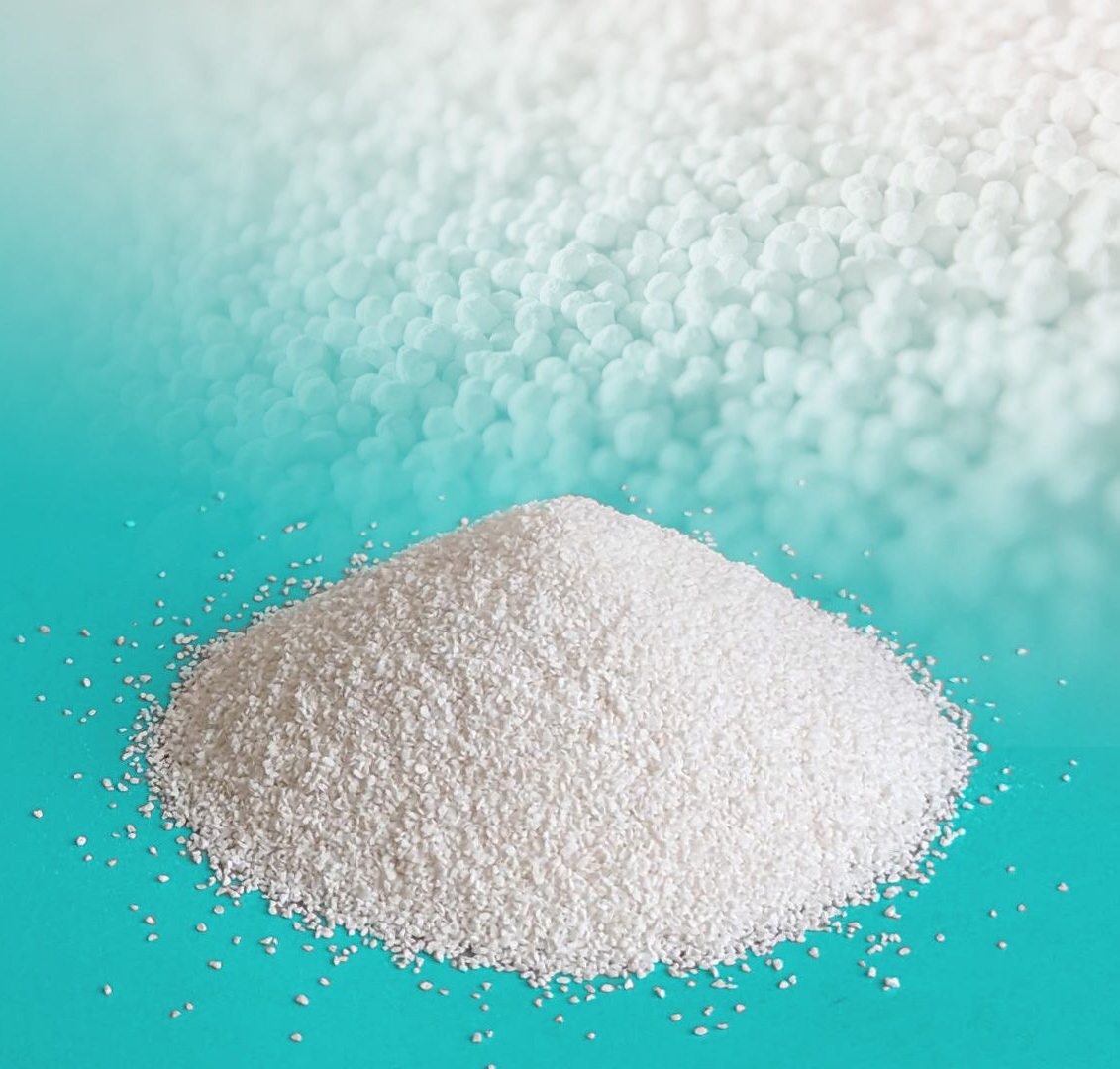
Puraffinity is pleased to announce that its G400+ adsorbent media has been certified to NSF/ANSI/CAN 61 and NSF/ANSI/CAN 372 standards for Point of Entry (POE) and Water Treatment Plant End Use applications The certifications confirm that G400+ meets the required health effects criteria for materials used in drinking water system components. This milestone enables Puraffinity to support installations where NSF-certified products are required, including municipal drinking water applications. “As a member of the American Water Works Association (AWWA), I see this certification as an important step for broader municipal adoption, ” said Neal Megonnell, Chief Commercial Officer at Puraffinity. “It enables utilities to deploy our technology where NSF compliance is required, and it strengthens our ability to scale PFAS treatment solutions while maintaining the highest standards of safety and performance.” Designed for highly effective PFAS removal with rapid kinetics, the advanced adsorbent media G400+ supports compact system design and efficient treatment across a wide range of water matrices. Building on this milestone, the company continues to advance water treatment solutions that help utilities and industry address PFAS compliance and protect drinking water quality.

Puraffinity partners with the U.S. Army ERDC to evaluate Puratech G400, an advanced adsorbent for PFAS removal, through lab and field trials comparing its performance and cost-effectiveness to existing PFAS treatment technologies
Puraffinity signs first commercial agreement for full-scale deployment of its PFAS removal technology
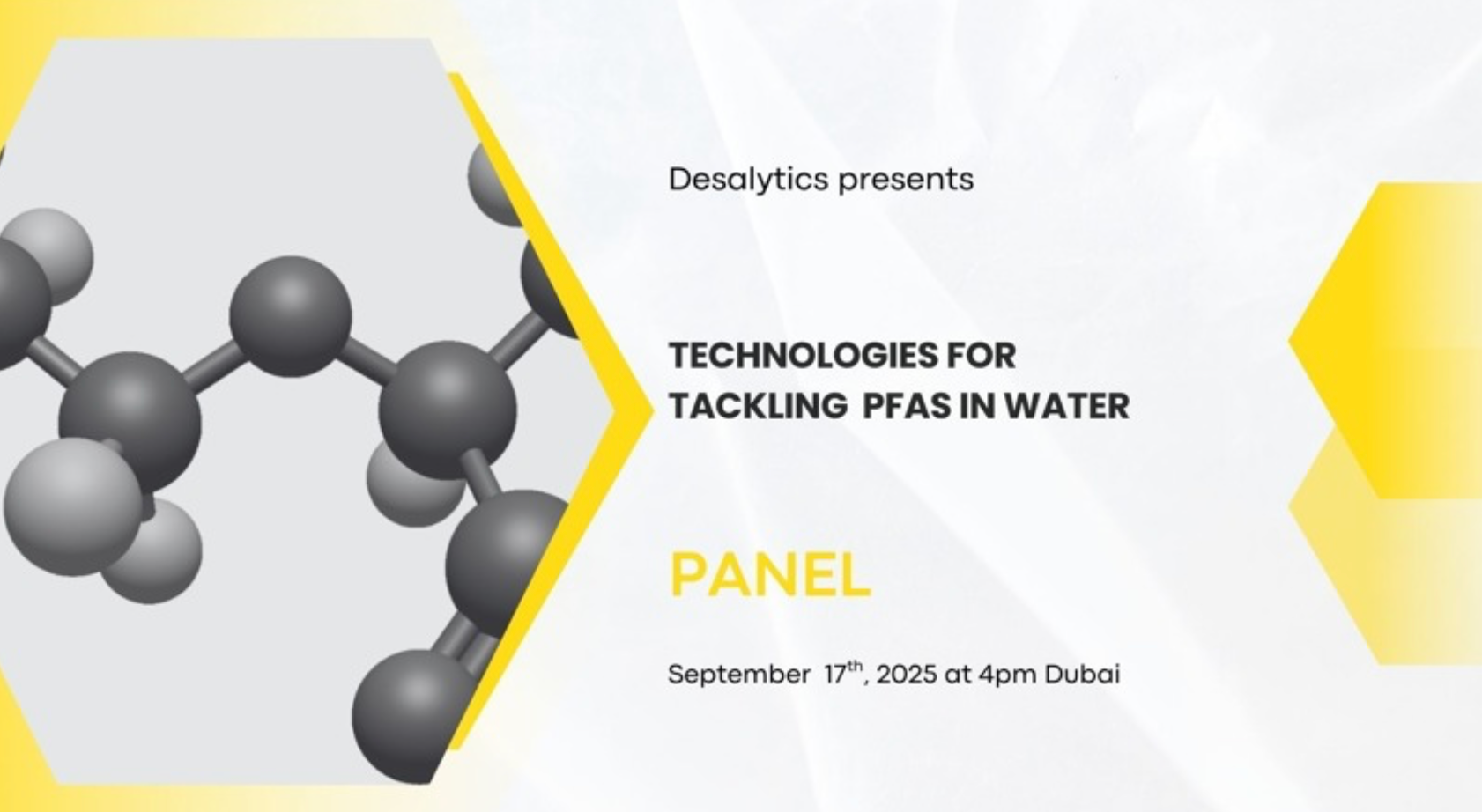
An exclusive panel featuring Puraffinity CEO Vincent Caillaud, who will join industry leaders to discuss cutting-edge solutions for combatting PFAS, “forever chemicals”, in drinking water. With PFAS contamination presenting urgent health challenges due to their extreme persistence, mobility, and health impacts at trace levels, this session will spotlight the realities of PFAS in water supplies, the latest science driving regulatory change, and the next generation of removal technologies.
WEFTEC 2025 is the world’s largest annual water quality conference and exhibition, held September 27–October 1, 2025, at McCormick Place in Chicago. It gathers over 20,000 water professionals from 100+ countries to explore cutting-edge water technologies, attend technical sessions and workshops, and network with sector leaders. The event features a massive exhibition of advanced solutions, educational opportunities, and speciality pavilions focused on topics like sustainability and digital innovation. Our CEO, Vincent Caillaud , and CCO, Neal Megonnell , will be in attendance.