
Why the Forever Chemicals Crisis Demands Urgent Personal and Regulatory Action
A recent BBC Panorama investigation revealed high levels of “forever chemicals” (PFAS) in blood tests, highlighting the pervasive presence of these substances in the UK population. PFAS, used since the 1940s in products such as non-stick cookware, waterproof clothing, and firefighting foams, persist in the environment and accumulate in the body over time, raising serious health concerns.
What Are PFAS and Why Are They a Problem?
PFAS (per- and polyfluoroalkyl substances) comprise thousands of synthetic chemicals valued for their resistance to heat, oil, and water. Their persistence means they do not break down easily, leading to accumulation in the blood and organs. Scientists have linked some PFAS to health issues, including thyroid problems, kidney and liver cancer, and fertility challenges. Any detectable level of PFAS in blood is associated with potential health risks.
The Personal and Systemic Response to High PFAS Exposure
The investigation found that over 6 million people in the UK receive drinking water from sources with elevated PFAS levels. The Drinking Water Inspectorate (DWI) has issued enforcement notices requiring water companies to reduce these levels, which pose a potential danger to human health. Meanwhile, some children’s products marketed as PFAS-free were found to contain these chemicals, revealing gaps in current product standards and labelling.
While individual action alone cannot eliminate PFAS from the body, the following steps can help minimise exposure:
- Replace non-stick cookware with alternatives such as ceramic, stainless steel, or cast iron pans to reduce ingestion of PFAS from scratched non-stick coatings.
- Avoid products labelled as waterproof or stain-resistant unless they carry verified PFAS-free certification; vacuum carpets regularly and ventilate rooms to reduce PFAS-containing dust.
- Choose cosmetics and personal care items that explicitly state they are PFAS-free and avoid ingredients containing terms like “fluoro” or “PTFE.”
A Turning Point for UK Health and PFAS Mitigation
The UK government is considering stricter regulations following calls for enhanced treatment requirements and biomonitoring. The next phase must focus on effective PFAS removal from water and consumer products, alongside personal actions to reduce bodily accumulation. Collective responsibility involving regulators, industries, and consumers is key to addressing this persistent public health challenge.
For the latest on PFAS health risks and mitigation, follow PFAS Pulse for trusted analysis and updates.

Puraffinity is pleased to announced a distribution agreement with Giotto Water S.r.l., part of Giotto Group, to expand access to Puraffinity’s PFAS treatment solutions for municipal and industrial customers across Italy. The distribution agreement strengthens Puraffinity’s ability to support Italian customers responding to new PFAS requirements under the EU Drinking Water Directive, which entered into application on 12 January 2026. The partnership expands access to Puraffinity’s advanced adsorption media solutions in Italy and combines high-performance PFAS removal media with readily deployable systems to support efficient implementation and operations. “Regulatory expectations for PFAS in water, including drinking water, are now tightening across Europe, and Italy is no exception,” said Vincent Caillaud, Chief Executive Officer at Puraffinity. “This distribution agreement with Giotto is an important milestone for Puraffinity. It strengthens our ability to serve Italian utilities and industrial water users with a complete solution, pairing differentiated adsorption media and practical deployment with ongoing operational support from Giotto’s established service organisation in Italy.” Puraffinity’s adsorption media is engineered to enable a compact system design with efficient PFAS removal, supporting installations where space is limited and reducing the total cost of PFAS treatment. By combining Puraffinity’s technology with Giotto’s ability to perform comprehensive service and maintenance activities, which ensures reliable system operation and long-term support, the companies aim to accelerate deployment for clients navigating tightening PFAS requirements. About Giotto Giotto Water S.r.l., part of Giotto Group, delivers water and sludge treatment solutions for municipal and industrial customers, providing project delivery, installation and service support across Italy.
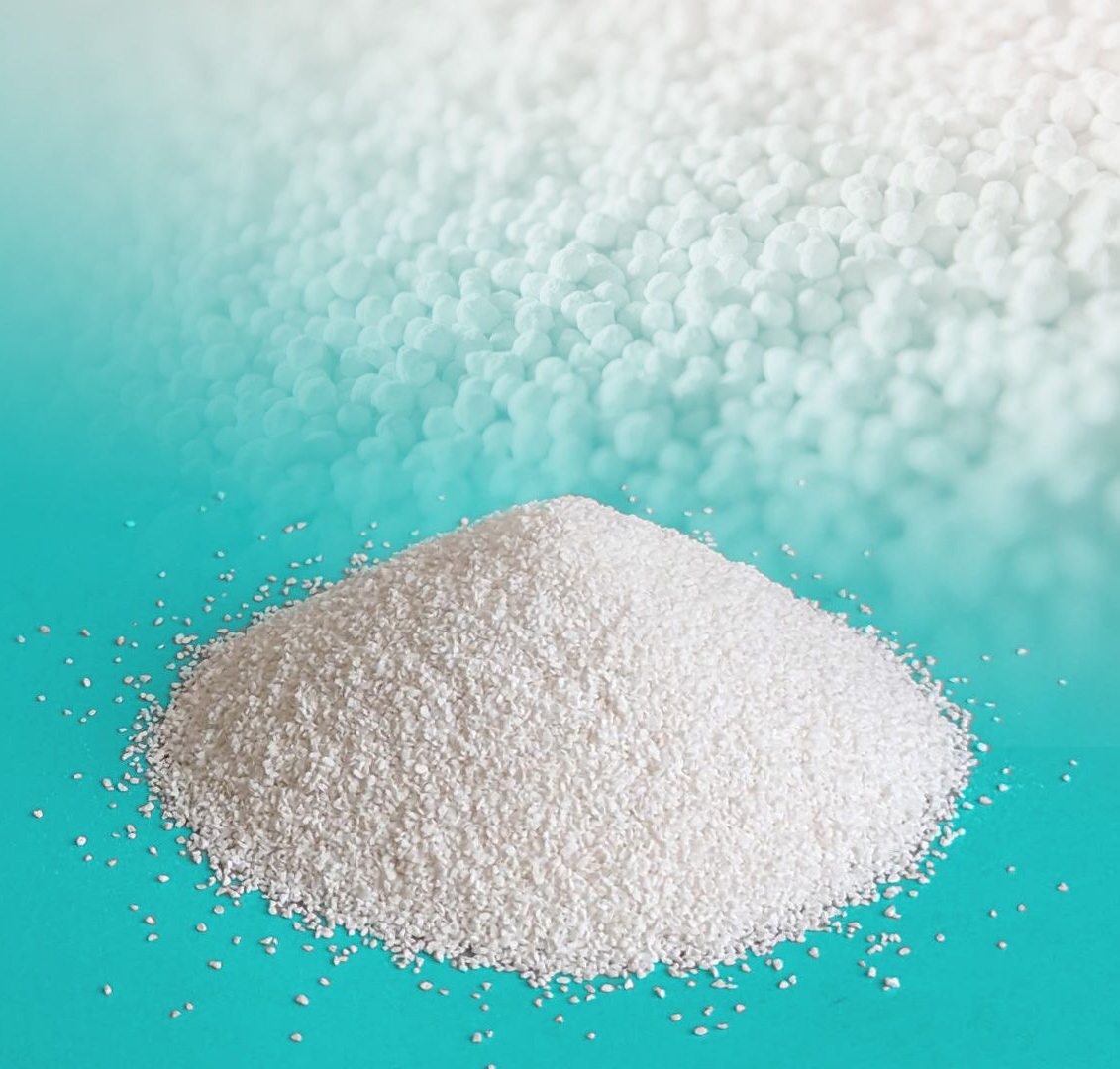
Puraffinity is pleased to announce that its G400+ adsorbent media has been certified to NSF/ANSI/CAN 61 and NSF/ANSI/CAN 372 standards for Point of Entry (POE) and Water Treatment Plant End Use applications The certifications confirm that G400+ meets the required health effects criteria for materials used in drinking water system components. This milestone enables Puraffinity to support installations where NSF-certified products are required, including municipal drinking water applications. “As a member of the American Water Works Association (AWWA), I see this certification as an important step for broader municipal adoption, ” said Neal Megonnell, Chief Commercial Officer at Puraffinity. “It enables utilities to deploy our technology where NSF compliance is required, and it strengthens our ability to scale PFAS treatment solutions while maintaining the highest standards of safety and performance.” Designed for highly effective PFAS removal with rapid kinetics, the advanced adsorbent media G400+ supports compact system design and efficient treatment across a wide range of water matrices. Building on this milestone, the company continues to advance water treatment solutions that help utilities and industry address PFAS compliance and protect drinking water quality.

Puraffinity partners with the U.S. Army ERDC to evaluate Puratech G400, an advanced adsorbent for PFAS removal, through lab and field trials comparing its performance and cost-effectiveness to existing PFAS treatment technologies
Puraffinity signs first commercial agreement for full-scale deployment of its PFAS removal technology
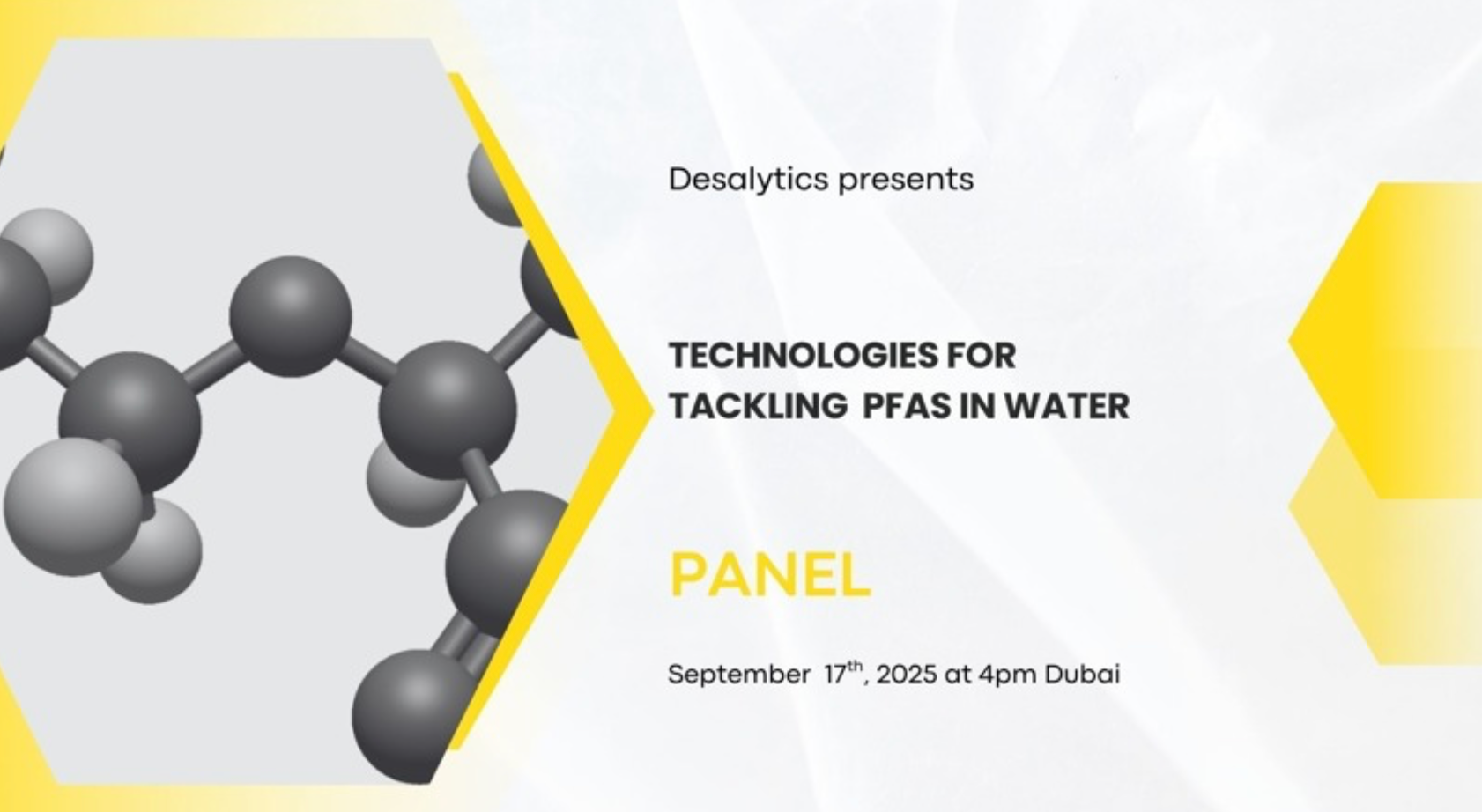
An exclusive panel featuring Puraffinity CEO Vincent Caillaud, who will join industry leaders to discuss cutting-edge solutions for combatting PFAS, “forever chemicals”, in drinking water. With PFAS contamination presenting urgent health challenges due to their extreme persistence, mobility, and health impacts at trace levels, this session will spotlight the realities of PFAS in water supplies, the latest science driving regulatory change, and the next generation of removal technologies.

WEFTEC 2025 is the world’s largest annual water quality conference and exhibition, held September 27–October 1, 2025, at McCormick Place in Chicago. It gathers over 20,000 water professionals from 100+ countries to explore cutting-edge water technologies, attend technical sessions and workshops, and network with sector leaders. The event features a massive exhibition of advanced solutions, educational opportunities, and speciality pavilions focused on topics like sustainability and digital innovation. Our CEO, Vincent Caillaud , and CCO, Neal Megonnell , will be in attendance.