New trials show next generation adsorbent performs better at removing Genx water contaminants than current methods
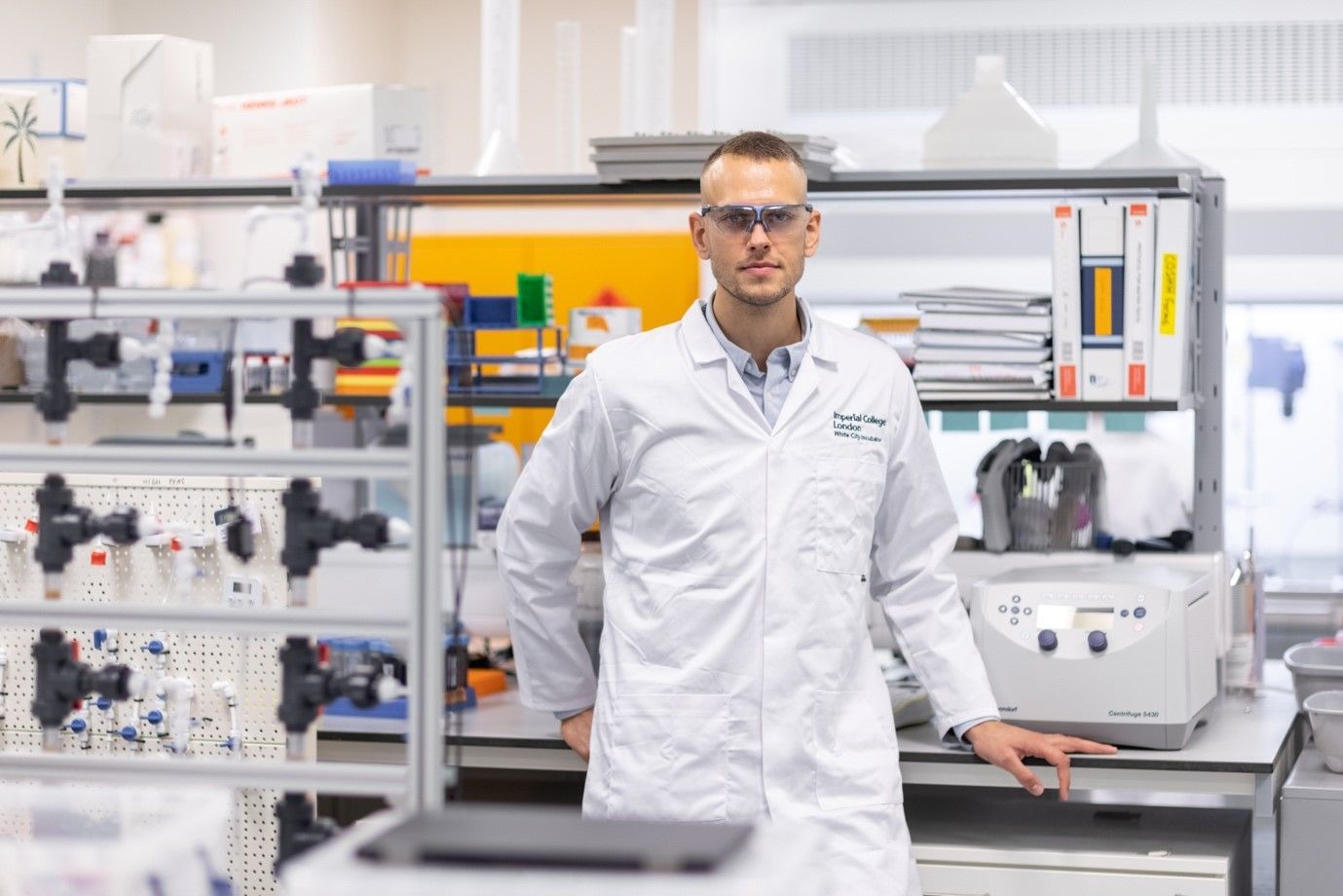
Puraffinity scientist in the lab with next-generation PFAS adsorbent material proven to outperform conventional methods in removing GenX water contaminants.

GenX contaminants bind to the Puraffinity material like lego bricks as water flows past 

GenX chemical contaminants, which don’t degrade in the environment and have been linked to several serious health concerns like cancers, reproductive issues and the reduced efficacies of vaccines, could soon be eliminated more quickly and more effectively.

New trials have been undertaken by independent institutions, using a next generation PFAS adsorbent media developed by Puraffinity, the London based science materials company. These show that the new material performs better by lasting longer and treating three times the amount of GenX compared with current ion exchange and activated carbon technologies.

GenX chemicals belong to the family of per-and polyfluoroalkylated substances commonly known as PFAS. This group of more than 4700 man-made chemicals are known as ‘forever chemicals’ because they do not break down naturally in the environment. If released, the GenX chemicals are very mobile and pollution spreads around the world.

“Severe exposure to GenX chemicals has been shown to induce tumours in rats and be linked to toxicity for the liver, kidney and blood as well as harm to prenatal development and the immune system,” explained Henrik Hagemann CEO of Puraffinity. “GenX chemicals are both toxic and highly persistent and have been found in drinking water, surface water and seawater across the world. They are not currently removed effectively in water treatment works.”

Trials using the Puraffinity PFAS adsorbent material were undertaken at two independent institutions in the USA – the Water Hub at Colorado School of Mines and at the Heritage Research Group. They showed the material can remove GenX chemicals to below the 10 ppt (parts per trillion) health advisory proposed by the US Environment Protection Agency. 
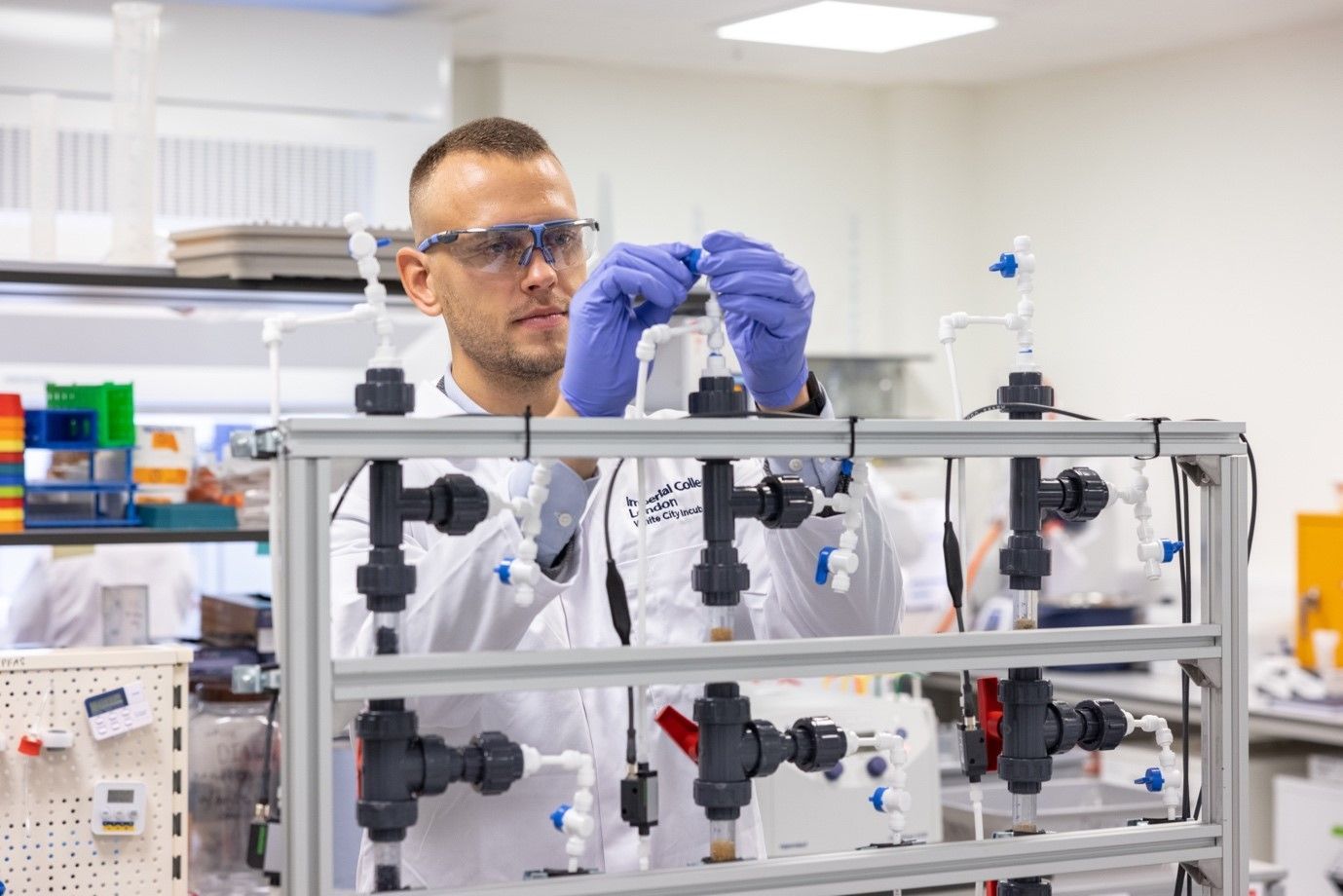
Puraffinity scientist testing PFAS-contaminated water using next-generation adsorbent material designed for GenX removal in continuous flow systems.

Using PFAS contaminated tap water in an operational environment with continuous flow, the GenX contaminants bind to Puraffinity’s material through a combination of electrostatic charge attractions and adsorption.


“They bind like Lego blocks as the water flows past,” explained Hagemann. “And, once all the Puraffinity material is filled up with GenX, the material is engineered to unclick the bound GenX using a safe regeneration step. The Puraffinity material can then be re-used for non- point of use applications, like industrial or environmental remediation, enabling a circular economy for the future of water filtration materials.”


GenX chemicals are found in products such as food packaging, clothes and firefighting foam and a 2020 study identified them across 200 different use categories. The chemicals are highly heat resistant and extremely water, fat and dirt repellent, which makes products containing them waterproof, stain-proof or non-stick


“High concentrations of GenX chemicals are found in certain areas, especially near manufacturing plants using the GenX platform technology,” said Hagemann. “In the US, North Carolina is the most affected state and Michigan, Minnesota, West Virginia and New York are also impacted. In Europe, GenX, as well as other PFAS species, are found in several countries including Belgium, Italy, Germany, the Netherlands, Sweden and the UK.”


The US Department of Health has set provisional health goals relating to GenX chemicals in drinking water and North Carolina has implemented a health advisory. In Europe, GenX chemicals were the first chemicals to be added to the Substances of Very High Concern list.

 “We are excited by third-party results demonstrating that our next-generation adsorbent performs strongly and can deal with these pollutants to avoid serious negative situations,” said Hagemann. “The adsorbent material can operate in both Brita type cartridge applications, where GenX chemicals can be removed at the smallest pitcher type scale as well as in large steel tanks or vessels for industrial applications.”


Article link: https://waterwastewaterasia.com/new-trials-show-next-generation-adsorbent-performs-better-at-removing-genx-water-contaminants-than-current-methods/

By Blewes Rush February 19, 2026
Puraffinity is pleased to announce that its G400+ adsorbent media has been certified to NSF/ANSI/CAN 61 and NSF/ANSI/CAN 372 standards for Point of Entry (POE) and Water Treatment Plant End Use applications The certifications confirm that G400+ meets the required health effects criteria for materials used in drinking water system components. This milestone enables Puraffinity to support installations where NSF-certified products are required, including municipal drinking water applications. “As a member of the American Water Works Association (AWWA), I see this certification as an important step for broader municipal adoption, ” said Neal Megonnell, Chief Commercial Officer at Puraffinity. “It enables utilities to deploy our technology where NSF compliance is required, and it strengthens our ability to scale PFAS treatment solutions while maintaining the highest standards of safety and performance.” Designed for highly effective PFAS removal with rapid kinetics, the advanced adsorbent media G400+ supports compact system design and efficient treatment across a wide range of water matrices. Building on this milestone, the company continues to advance water treatment solutions that help utilities and industry address PFAS compliance and protect drinking water quality.
Puraffinity partners with U.S. Army Corps of Engineers to advance PFAS remediation through CRADA, testing Puratech G400 against activated carbon and ion exchange resins for cost-effective treatment of contaminated water.
By Ade Alao July 2, 2025
Puraffinity partners with the U.S. Army ERDC to evaluate Puratech G400, an advanced adsorbent for PFAS removal, through lab and field trials comparing its performance and cost-effectiveness to existing PFAS treatment technologies
A blue envytech logo with a white background
By Ade Alao June 2, 2025
Puraffinity signs first commercial agreement for full-scale deployment of its PFAS removal technology
PFAS Treatment Europe 2025 conference, held on July 28–29 in Amsterdam, focused on PFAS contamination solutions.
By Ade Alao February 12, 2025
An exclusive panel featuring Puraffinity CEO Vincent Caillaud, who will join industry leaders to discuss cutting-edge solutions for combatting PFAS, “forever chemicals”, in drinking water. With PFAS contamination presenting urgent health challenges due to their extreme persistence, mobility, and health impacts at trace levels, this session will spotlight the realities of PFAS in water supplies, the latest science driving regulatory change, and the next generation of removal technologies.
WEFTEC 2025, the world’s largest water quality event, held September 27 to October 1 in Chicago, Illinois.
By Ade Alao February 11, 2025
WEFTEC 2025 is the world’s largest annual water quality conference and exhibition, held September 27–October 1, 2025, at McCormick Place in Chicago. It gathers over 20,000 water professionals from 100+ countries to explore cutting-edge water technologies, attend technical sessions and workshops, and network with sector leaders. The event features a massive exhibition of advanced solutions, educational opportunities, and speciality pavilions focused on topics like sustainability and digital innovation. Our CEO, Vincent Caillaud , and CCO, Neal Megonnell , will be in attendance.
Royal Academy of Engineering’s “Building World-Class Teams: Creating Cultures that Scale” event, held on Tuesday, 8 July 2025, from 3:00–4:00pm, aimed at founders, team leads, and culture champions in engineering and tech.
By Ade Alao February 11, 2025
In the Building World-Class Teams webinar series, Henrik Hagemann and Jessica Middlesmiss will be discussing how to Create Cultures that Scale
More Posts